• Transformer Industry in Machilipatnam

    Home Transformer Industry in Machilipatnam
    Transformer Industry in Machilipatnam

    Industrial Transformer Solutions Built for Reliable Power Infrastructure

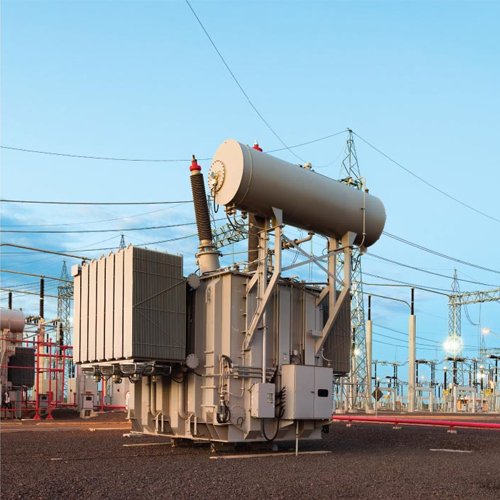
    Electrical power systems in industrial and infrastructure projects are only as dependable as the equipment supporting them. A transformer has to perform continuously under changing loads, environmental conditions, switching events, and demanding operating schedules. Selecting the right unit therefore requires more than comparing capacity and purchase price. Design parameters, insulation coordination, thermal performance, construction quality, testing, installation conditions, and long-term serviceability all influence the actual value of the equipment. Modern Transformer Industry Services in Machilipatnam are evolving to address these comprehensive operational demands across diverse sectors.

    Atlanture Transformer & Switchgear Pvt. Ltd. approaches transformer engineering as a complete project requirement rather than a standard catalogue purchase. Based in Varanasi, Uttar Pradesh, the company combines manufacturing capability with field-oriented services including erection, testing, commissioning, maintenance, repair, and breakdown support. Its solutions are intended for industrial facilities, commercial infrastructure, power distribution systems, utilities, and specialized electrical installations across Machilipatnam.

    Engineering Starts With the Electrical Requirement

    A reliable transformer begins with correct application engineering. The required rating is only one part of the design decision. Premium Transformer Engineering Services in Machilipatnam focus on customizing electrical architectures to handle complex site conditions smoothly.

    Before manufacturing, engineers need to understand the incoming and outgoing voltage levels, connected load, expected demand profile, installation environment, permissible losses, cooling requirements, protection arrangement, available space, and future expansion requirements.

    Industrial loads can also behave very differently from conventional commercial loads. Motors, furnaces, welding equipment, drives, pumps, compressors, rectifiers, and other nonlinear or fluctuating loads can influence transformer selection and thermal performance.

    A properly engineered unit therefore considers:

    • Rated capacity and voltage ratio
    • Frequency and phase configuration
    • Load characteristics and duty cycle
    • Insulation requirements
    • Cooling arrangement
    • Installation environment
    • Short-circuit withstand requirements
    • Losses and efficiency
    • Protection and control requirements
    • Accessibility for inspection and maintenance

    This engineering-first approach helps prevent problems caused by selecting equipment solely on nominal capacity.

    Manufacturing Quality Depends on the Details

    Transformer reliability is strongly influenced by manufacturing accuracy. Core construction, winding geometry, insulation placement, mechanical clamping, electrical clearances, connections, tank fabrication, sealing, and finishing all contribute to final performance. Top-tier Transformer Manufacturing Services in Machilipatnam ensure every mechanical and electrical parameter meets exact industry benchmarks.

    The magnetic core must be assembled carefully to control losses and avoid unnecessary heating. Winding operations require consistent dimensions and controlled tension so that the finished winding maintains its intended electrical and mechanical characteristics.

    Insulation systems must be selected according to the voltage class, thermal conditions, and operating environment. Internal connections also require careful workmanship because a small defect can become a significant reliability issue after energization.

    Fabricated tanks and structural components need accurate welding, appropriate reinforcement, proper surface preparation, and effective sealing. Leakage prevention is particularly important for oil-filled equipment because moisture ingress and oil loss can gradually compromise insulation performance.

    The manufacturing process therefore requires coordination between electrical design, mechanical fabrication, assembly, inspection, and final testing rather than treating each activity as an isolated operation.

    Features Designed Around Industrial Operating Conditions

    The equipment can be configured according to project-specific electrical and physical requirements rather than relying on a single standard arrangement.

    Key Features

    • Application-oriented electrical design
    • Robust core and winding construction
    • Controlled insulation clearances
    • Heavy-duty fabricated construction
    • Suitable cooling arrangements
    • Protection-oriented accessories and connections
    • Inspection and testing during production
    • Configurable dimensions for installation constraints
    • Designs suitable for demanding industrial environments
    • Support for commissioning and lifecycle maintenance

    The practical advantage is consistency between the design specification and the conditions in which the equipment will actually operate.

    Technical Specifications Considered During Design

    Transformer specifications should always be finalized against the approved project requirement and applicable standards. Depending on the application, the engineering schedule can include:

    Parameter

    Engineering Consideration

    Rated Capacity

    Selected according to connected and anticipated demand

    Primary Voltage

    Determined by the incoming electrical network

    Secondary Voltage

    Matched to the downstream distribution requirement

    Frequency

    Typically selected according to the electrical system

    Phase

    Single-phase or three-phase configuration as required

    Cooling

    Determined by rating, loading, and installation conditions

    Insulation Level

    Selected according to voltage class and system conditions

    Winding Material

    Copper or aluminium according to design requirements

    Core Material

    Electrical-grade magnetic steel selected for efficient operation

    Enclosure

    Designed according to installation and environmental conditions

    Losses

    Evaluated during design and testing

    Temperature Performance

    Considered for safe continuous operation

    Testing

    Routine and project-specific tests as applicable

    Final values should be confirmed through the approved technical datasheet before manufacturing.

    Benefits for Industrial and Commercial Projects

    A well-designed transformer can provide value throughout its operating life, not simply at the time of installation.

    Improved Electrical Reliability

    Correct voltage transformation and suitable thermal design help maintain stable downstream electrical operation.

    Better Control of Operating Losses

    Core and winding design directly influence no-load and load losses. Appropriate engineering can therefore contribute to more efficient operation over the equipment lifecycle.

    Long-Term Mechanical Strength

    Proper winding support, clamping, structural fabrication, and assembly practices help equipment withstand mechanical stresses associated with transportation, energization, and fault conditions.

    Easier Maintenance

    Equipment designed with practical inspection and service requirements in mind can reduce unnecessary downtime during maintenance activities.

    Application Flexibility

    Different industries have different electrical characteristics. A project-oriented design allows the equipment configuration to reflect the actual operating environment.

    Where These Solutions Are Used

    Transformer equipment forms part of electrical infrastructure across a wide range of applications. Integrated Transformer Industry Services in Machilipatnam support these sectors with tailored design and operational execution:

    • Manufacturing plants
    • Process industries
    • Engineering facilities
    • Commercial buildings
    • Industrial estates
    • Infrastructure developments
    • Power distribution networks
    • Utility installations
    • Renewable-energy projects
    • Heavy electrical installations
    • Large commercial and institutional facilities

    The correct configuration depends on the site's load profile, network characteristics, environmental conditions, and operational priorities.

    Testing Is a Critical Part of Delivery

    Manufacturing is not complete when assembly ends. Testing provides evidence that the finished equipment meets its intended electrical and mechanical requirements.

    Depending on the design and project specification, testing may include verification of insulation resistance, voltage ratio, winding characteristics, losses, dielectric performance, and other applicable parameters.

    Visual and mechanical inspections are equally important. Engineers should examine workmanship, connections, clearances, sealing, terminals, fittings, and overall construction before dispatch.

    For larger or technically demanding projects, documentation and test records also become important for commissioning teams, consultants, electrical contractors, and asset owners.

    This combination of manufacturing inspection and electrical testing provides a more dependable basis for accepting the equipment before it enters service.

    More Than Manufacturing: Project and Lifecycle Support

    Transformer performance also depends on what happens after the unit leaves the factory. Incorrect installation, poor connections, moisture exposure, contaminated insulating oil, inadequate protection settings, or neglected maintenance can affect equipment reliability even when the original manufacturing quality is good.

    Atlanture Transformer provides field-oriented support covering erection, testing, commissioning, maintenance, repair, overhauling, oil-related services, and breakdown assistance. Specialized Transformer Maintenance Services in Machilipatnam play a vital role in preventing unexpected operational disruptions. In cases of critical equipment failure, rapid Transformer Repair Services in Machilipatnam ensure minimal operational downtime.

    This broader capability allows customers to address both new-project requirements and problems involving equipment already in operation.

    For industrial users, this is particularly valuable because transformer downtime can interrupt production, affect connected machinery, and create significant operational costs.

    Why Engineering Capability Matters to Buyers

    For a procurement team, the lowest initial quotation does not necessarily represent the lowest overall cost. Engaging with dependable Transformer Industry Services in Machilipatnam offers long-term reliability and asset protection.

    A better purchasing decision considers:

    • Equipment suitability for the actual load
    • Expected operating losses
    • Construction quality
    • Testing and documentation
    • Installation requirements
    • Service accessibility
    • Spare and maintenance considerations
    • Manufacturer responsiveness
    • Long-term technical support

    A transformer is a long-life electrical asset. Its purchase should therefore be evaluated from both an engineering and lifecycle perspective.

    Built for Practical Power Infrastructure

    Atlanture Transformer & Switchgear Pvt. Ltd. operates from Varanasi and supports projects across Machilipatnam with manufacturing and field services. As key providers of specialized Transformer Industry Services in Machilipatnam, its broader portfolio covers different transformer configurations along with associated electrical equipment and maintenance capabilities.

    For project owners, consultants, EPC contractors, electrical contractors, plant managers, and procurement teams, the right solution starts with understanding the electrical requirement in detail.

    Whether the requirement involves a new industrial installation, capacity expansion, replacement of ageing equipment, or technical support for an operating transformer, the engineering approach should remain the same: understand the application, design for the operating conditions, manufacture with control, test before commissioning, and support the equipment throughout its service life.

    Discuss Your Project Requirement

    Every electrical installation has its own combination of load, voltage, environment, space, protection, and operating conditions. A technical discussion before finalizing the equipment can help identify the appropriate configuration and avoid costly specification changes later.

    Share the required capacity, voltage levels, application details, installation conditions, and project expectations with the technical team to begin evaluating the right transformer solution for your facility.


    Contact Us

    Feel Free To Get In Touch With Us

    Office Address:

    Plot no F-24 Ramnagar Industrial Area Phase -II Varanasi, Uttar Pradesh- 232104 India.

    Follow Us:-

    Call Us Icon WhatsApp  Icon